2026 Best Compostable vs Biodegradable Food Containers Guide?

Time:2026-06-15 Author:Aria
0%

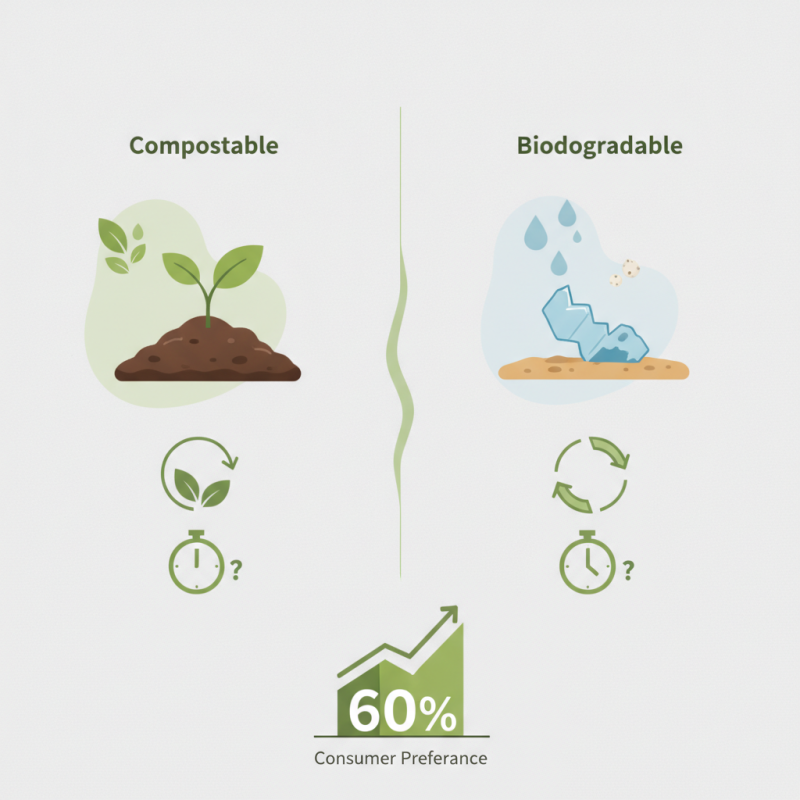
As sustainability gains traction, the food packaging industry faces a critical question: "what is the difference between compostable and biodegradable food containers?" A recent report from the Food Packaging Institute found that 60% of consumers prefer environmentally friendly options. Yet, many remain uncertain about these terms.

Experts like Dr. Emily Rogers, an environmental scientist, underscore the importance of understanding these differences. She states, “Compostable items break down significantly faster under specific conditions, while biodegradable ones may take years to decompose.” This distinction shapes choices for businesses and consumers alike.

Compostable containers are designed to decompose into nutrient-rich soil within a defined timeframe, contributing positively to the ecosystem. In contrast, biodegradable containers may not offer the same environmental benefits. They can still leave behind microplastics, posing challenges for waste management. Thus, it is essential for stakeholders to navigate these complexities carefully, ensuring choices align with true sustainability goals.
2026 Best Compostable vs Biodegradable Food Containers Guide?

Understanding Compostable vs Biodegradable Food Containers

Understanding compostable and biodegradable food containers is crucial for sustainability. The two terms often create confusion, but they have distinct meanings. Compostable materials break down into nutrient-rich compost within a specific time frame, usually 90 to 180 days under proper conditions. Biodegradable items, however, can take much longer to decompose and may leave behind harmful residues. A 2020 report by the World Economic Forum indicated that improper disposal of biodegradable plastics can negatively impact soil health.

In the food service industry, a significant shift towards compostable solutions is noticeable. According to a study by the Biodegradable Products Institute, the demand for compostable food packaging rose by 14% from 2018 to 2021. Many companies still struggle to differentiate between biodegradable and compostable. Misunderstandings can lead to inappropriate disposal methods, which harm the environment. In some instances, consumers unwittingly toss compostable items into standard bins.

Not all compostable products are created equal. Some require industrial composting facilities to break down effectively. This raises questions about accessibility for consumers. Research published in the *Journal of Cleaner Production* showed that only a fraction of municipalities have adequate composting infrastructure. Experts argue that education on proper disposal methods is as important as developing new materials. Without understanding, even the best innovations might not lead to real environmental benefits.

2026 Best Compostable vs Biodegradable Food Containers

Materials Used in Compostable and Biodegradable Containers

The shift towards sustainable packaging has led to the rise of compostable and biodegradable food containers. Understanding the materials in these containers is essential. Common materials include PLA (polylactic acid) made from cornstarch and bagasse from sugarcane. Both materials decompose under specific conditions, but the effectiveness can vary significantly.

Compostable containers generally require industrial composting facilities to break down efficiently. In fact, a report from the Biodegradable Products Institute indicates that only 39% of Americans have access to such facilities. This can leave many consumers unsure if their compostable items are truly composting. Moreover, biodegradable products can sometimes take years to decompose in landfills, contradicting their intended environmental benefits.

Tips: Always check local composting guidelines. It helps ensure your efforts make a real difference. Also, consider the entire lifecycle of these materials. Not every biodegradable option is truly eco-friendly in all scenarios. Engaging in local sustainability practices can provide clearer insights into materials used in food containers.

Environmental Impact of Compostable and Biodegradable Options

The environmental impact of compostable and biodegradable food containers is significant. These alternatives aim to reduce plastic waste. However, the effectiveness of these options often depends on how they are disposed of. Compostable items need industrial composting facilities. Many consumers are unaware of the proper disposal methods. This lack of knowledge can lead to contamination in recycling streams.

Biodegradable containers may break down over time, but the process varies widely. They often require specific conditions to degrade fully. Without these conditions, they can linger in landfills for years. Consumers often face confusion about the terms "biodegradable" and "compostable." While they sound similar, the environmental implications are different.

Despite their potential benefits, both options present challenges. They may not always provide a complete solution to plastic waste. Some experts suggest that more education is needed. Understanding how these products work can encourage better disposal methods. This education could lead to a more significant positive impact on the environment. Creating awareness is essential for success in this area.

Comparative Analysis of Popular Brands for 2026

The rise of eco-friendly practices in food service has led to increased interest in compostable and biodegradable food containers. According to a recent industry report, the global market for sustainable packaging is projected to reach $600 billion by 2026. Brands are rapidly innovating to meet consumer demand for environmentally responsible options.

Compostable containers break down into organic material in a composting environment, while biodegradable alternatives require less specific conditions. A study by the Environmental Protection Agency highlights that products labeled as biodegradable often need industrial composting facilities. This creates confusion for consumers who assume all biodegradable items will decompose in backyard compost settings.

Tips: Look for certifications on packaging. These indicate whether a product meets strict composting standards. Additionally, consider local waste management facilities. Some areas do not process compostable materials correctly, which can impact their effectiveness.

Sustainability should not be a marketing gimmick. Some products marketed as biodegradable do not fully break down. Research shows that improper disposal still contributes to landfill waste. Transparency in labeling is essential for consumers.

Guidelines for Choosing the Right Container for Your Needs

Choosing the right food container can be overwhelming. In recent years, compostable and biodegradable materials have gained popularity. Understanding their differences is key for making an informed choice. Compostable containers break down into organic matter within a specific time frame, usually under ideal conditions. Biodegradable materials decompose more slowly and can leave behind pollutants.

When selecting a container, consider your specific needs. Will it be used for hot or cold foods? Does the container meet safety standards for food contact? Look for certifications that indicate a product's compostability or biodegradability. Not all containers are created equal, and some may not meet your expectations in real-world conditions.

Reflecting on these options is essential. Some compostable containers may not break down as expected if not disposed of properly. Similarly, biodegradable products can vary widely in their degradation timelines. Researching and understanding these factors will lead to better decisions, ensuring that your choices align with sustainability goals.

2026 Best Compostable vs Biodegradable Food Containers Guide

Container Type Material Compostable Biodegradable Usage Scenario
Plates Sugarcane Fiber Yes Yes Parties, Events
Containers PLA (Polylactic Acid) Yes Yes Takeaway, Delivery
Bags Corn Starch Yes Yes Grocery, Retail
Cutlery Wood Yes Yes Catering, Events
Cups Paper Coated with PLA Yes Yes Beverages, Events

FAQS

: What are compostable containers?

: Compostable containers transform into organic material in a composting environment. They usually break down under specific conditions.

How do biodegradable containers differ from compostable ones?

Biodegradable containers decompose more slowly and may require industrial composting. They often leave behind some pollutants.

Why is it important to look for certifications?

Certifications ensure that products meet composting standards. This can help you choose effective and trustworthy options.

Can all biodegradable items be composted at home?

No, many biodegradable products need industrial facilities. This can confuse those assuming they are suitable for home composting.

What should I consider when choosing a food container?

Think about food type, temperature, and safety standards. Ensure it meets your needs and check for certifications.

How can improper disposal impact sustainability?

Improper disposal leads to landfill waste. Some products may not break down, undermining their intended eco-friendly benefits.

Are all compostable containers reliable?

Not necessarily. Some may not break down as expected due to poor disposal methods. Researching the product is crucial.

What factors affect the breakdown of biodegradable materials?

Degradation timelines vary widely. Conditions like temperature and moisture influence how quickly they break down.

Why should I be cautious about marketing claims?

Some products marketed as biodegradable may not fully decompose. Transparency in labeling helps consumers make informed choices.

How does local waste management affect compostables?

Facilities may not process compostable materials correctly. This can reduce the effectiveness of these products in your area.

Conclusion

The article titled "2026 Best Compostable vs Biodegradable Food Containers Guide" explores the key distinctions between compostable and biodegradable food containers, answering the question, "what is the difference between compostable and biodegradable food containers?" It emphasizes that compostable containers break down into organic matter in composting environments, while biodegradable containers can decompose in various environments, often taking longer.

The article further delves into the materials used in these containers, highlighting the environmental impacts of both options. It provides a comparative analysis of popular brands available in 2026, allowing consumers to make informed choices. Lastly, it offers guidelines on how to select the right container based on individual needs, underscoring the importance of sustainability in food packaging.

Aria

Aria

Aria is a dedicated marketing professional with a deep passion for innovative strategies and a keen understanding of our company's product offerings. With a wealth of experience in the industry, Aria excels at crafting engaging content that highlights the unique features and benefits of our......